
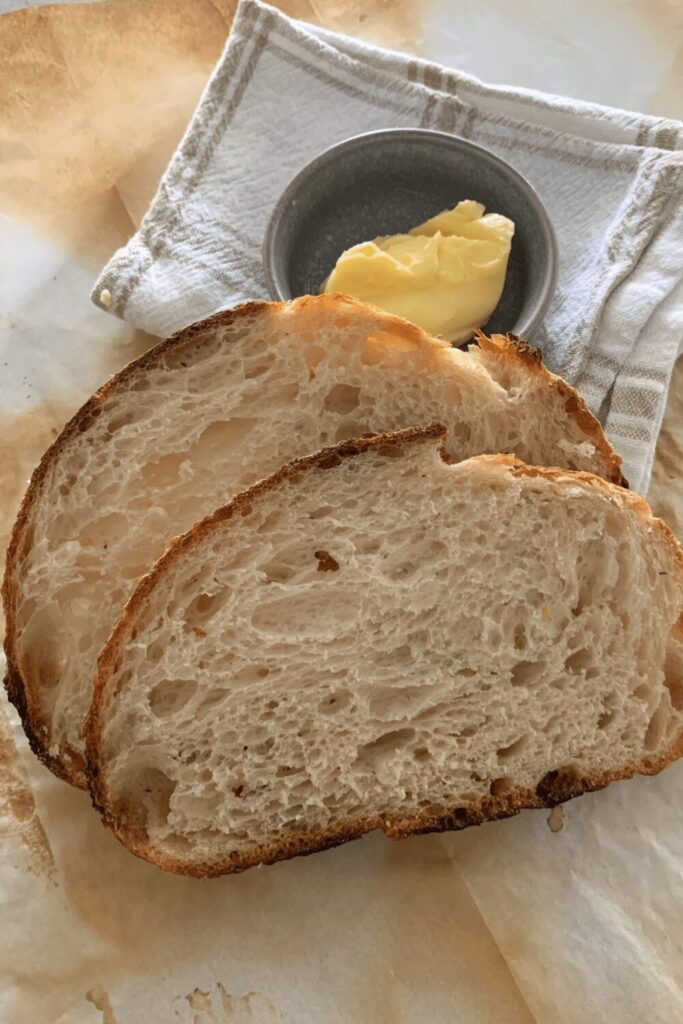
My favorite part of baking is placing my Dutch oven with my loaf in it to bake, then lifting the lid to see the beautiful rise! What started as a soft, shaped dough begins to expand, the crust opens along the score, and a beautiful, golden loaf emerges. This rise is called oven spring, and it’s where the art of baking meets the science of fermentation, heat, and structure. This is why I chose to discuss this topic post-fermentation blog. Sourdough isn’t just about flavour; rather, it’s about understanding the natural processes that turn flour, water, and salt into something yummy and gut-healthy, while knowing exactly what is in it. The following discusses what causes a loaf to spring in the oven, how to use a Dutch oven and open-bake, and how scoring changes your loaf.
It Starts Before the Oven: Fermentation
Let’s review my last blog post briefly: long before a loaf reaches the oven, its rise begins during fermentation. Sourdough relies on a living starter filled with wild yeast and beneficial bacteria. These microorganisms feed on the natural sugars in flour and produce carbon dioxide gas and organic acids. The carbon dioxide forms tiny bubbles inside the dough. As the gluten network is created during mixing and folding, these bubbles become trapped throughout the dough. By the time the loaf is shaped and ready to bake, it already contains thousands of microscopic air pockets waiting to expand.
The Magic Moment: Oven Spring
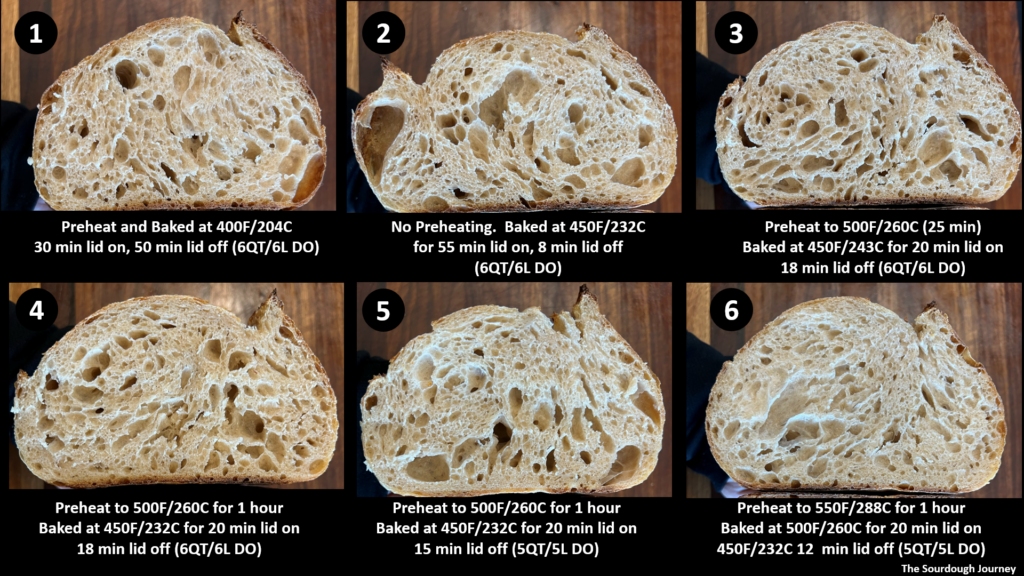
When a loaf enters a hot oven- I preheat to 425 degrees Celsius so it can get nice and crispy on the top- several processes happen almost instantly. First, the gases trapped in the dough begin to expand. As the temperature rises, gases take up more space, causing the dough to inflate. At the same time, the yeast briefly becomes more active, producing a final burst of carbon dioxide before the heat eventually stops fermentation. Another major factor is steam. Because sourdough dough contains a large amount of water, the heat of the oven turns that moisture into steam. Steam expands rapidly, helping push the dough upward and outward. This is why I sometimes add ice cubes to my Dutch oven, or a dish towel with boiling water on a cookie tray when open baking. This combination of expanding gases, steam pressure, and final yeast activity is what creates the dramatic rise we see in the first few minutes of baking.
Setting the Structure
While the loaf expands, the dough’s structure begins to firm up. The proteins in flour- glutenin and gliadin- form gluten during mixing. In the oven, this gluten network strengthens and eventually sets, holding the loaf in its final shape. At the same time, the starch in the flour absorbs water and gelatinizes, helping create the soft, tender crumb inside the bread. This process transforms the dough from a stretchy into a stable loaf with the airy interior sourdough is known for. Once these structural changes occur, the bread stops rising and begins focusing on flavour and crust development.
Creating the Perfect Crust
As the loaf continues to bake, the outside dries and forms the crust. Heat triggers caramelization and Maillard reactions, which produce the deep brown colour and complex flavours of artisan bread. Steam is especially important during the early stage of baking. If the surface dries too quickly, the crust hardens before the bread has fully expanded. That’s why I bake with steam or inside a Dutch oven, as it keeps the crust flexible long enough for maximum oven spring. The result is the crisp, crackling crust that makes sourdough so satisfying.
Why Bakers Score Their Bread
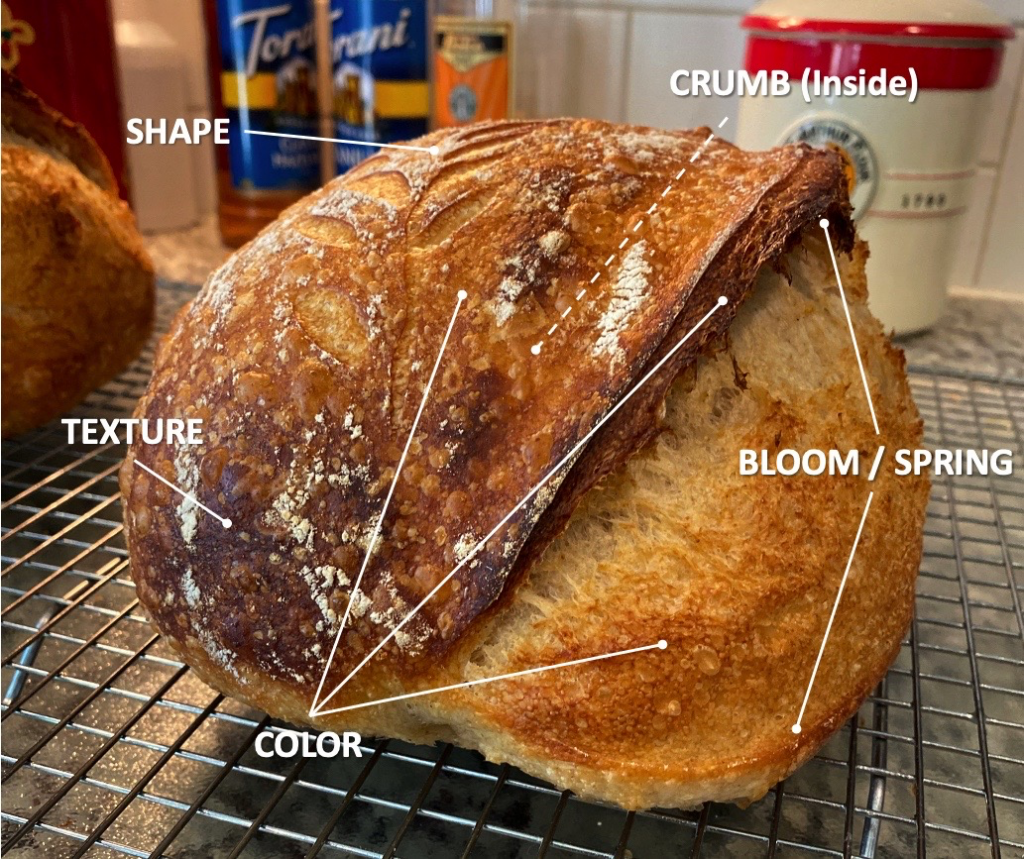
If you’ve ever noticed the beautiful patterns on sourdough loaves, those cuts are intentional. I score the dough before baking to guide how the loaf expands. As pressure builds inside the dough during oven spring, the score acts like a release point, allowing the bread to open in a controlled way. Without scoring, the loaf might split unpredictably along the sides or bottom. I usually do not score for aesthetics, but a lot of bakers do! I typically make one score down 3/4 of the top, near the side of the loaf.
The Balance Behind Great Sourdough
To summarize, these are the key factors to keep in mind when creating a perfect oven spring:
- A strong gluten network to trap gases
- Active fermentation to create those gases
- Proper hydration for steam production
- High heat and steam for maximum oven spring
This is why bakers typically charge more for sourdough than a regular loaf- it’s a labor of love! I have started selling my sourdough loaves for 10$ a pop, and extra for inclusions- but that’s for my next blog post 😉
Links:
https://www.google.com/url?sa=t&source=web&rct=j&url=https%3A%2F%2Fgrantbakes.com%2Fhow-to-get-better-oven-spring-on-your-sourdough-bread%2F&ved=0CBsQ3YkBahgKEwiQroKbx5uTAxUAAAAAHQAAAAAQwQE&opi=89978449
Comments
One response to “Oven Science: The Spring, the Crust, and the Ugly”
Kajsa, I love the title! The detailed explanation of the processes underway in the baking process is excellent. Your description makes the taste of sourdough even more impressive! Thanks.