
Models discussed in last week’s class, such as the SAMR Model, TPACK Framework, Technology Integration Matrix (TIM), and Community of Inquiry (Col) Models, allow us as new teachers to implement technology as a means to supplement education in an informed way. I will reflect on each of the models, how I would use them in the classroom, and how it aligns with pedagogy, content, and community building.
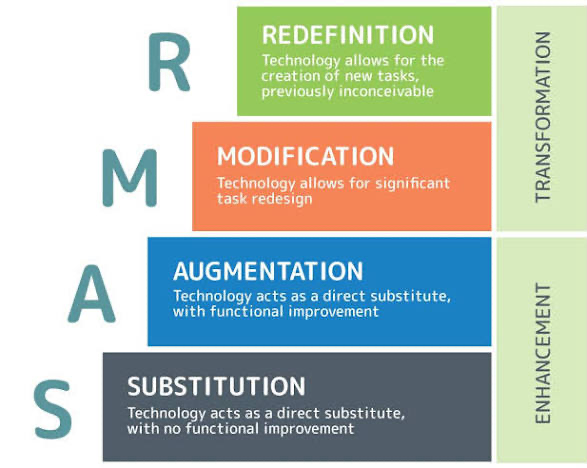
What I appreciate about the SAMR model is its emphasis on transformation. When we can modify and redefine tech use and be critical thinkers, which subsequently changes our task. “Redefinition” is a very relative goal to each student and teacher; this is where substitution and augmentation are pedagogically aligned with the BC curriculum and the Universal Design for Learning. We must ensure that these integration models are being used by sound minds who know how to navigate them; this is our task as educators.
Below are some youtube videos that aid in navigating these models:
https://www.google.com/url?sa=t&source=web&rct=j&opi=89978449&url=https://www.youtube.com/watch%3Fv%3DVbY_w7kq-fE&ved=2ahUKEwiFgtOr-YSTAxU2DjQIHetRHm8QtwJ6BAgQEAI&usg=AOvVaw2dLyCbZOvuZbgRf8ua4UR6
https://www.google.com/url?sa=t&source=web&rct=j&opi=89978449&url=https://www.youtube.com/watch%3Fv%3DuA6P7tJpHbk&ved=2ahUKEwiFgtOr-YSTAxU2DjQIHetRHm8QtwJ6BAgSEAI&usg=AOvVaw1-LfegiByi_opa84IwxevM
https://www.google.com/url?sa=t&source=web&rct=j&opi=89978449&url=https://www.youtube.com/watch%3Fv%3D_COy3naH4RY&ved=2ahUKEwiFgtOr-YSTAxU2DjQIHetRHm8QtwJ6BAgWEAI&usg=AOvVaw3lGixUv330jFpFOFY5709n
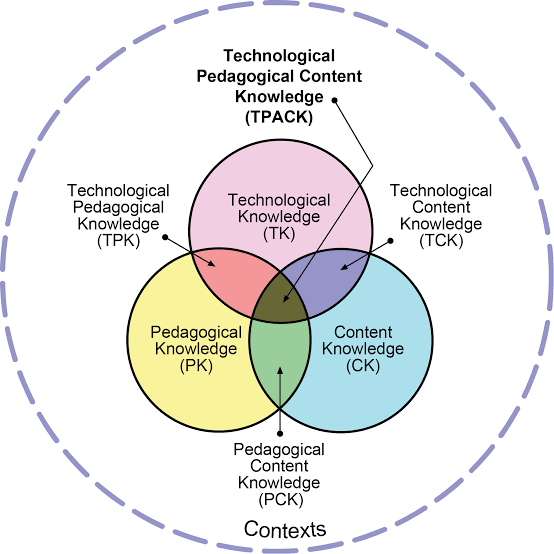
The Technological Pedagogical Content Knowledge (TPACK) framework is essential in implementing edtech, as it emphasizes the intertwining of technology, pedagogy, and content. This is important to use when teaching, as it uses tech as a means to support our already existing curriculum. TPACK makes the teacher and student use it as an open-ended outcome tool, rather than something to check off.
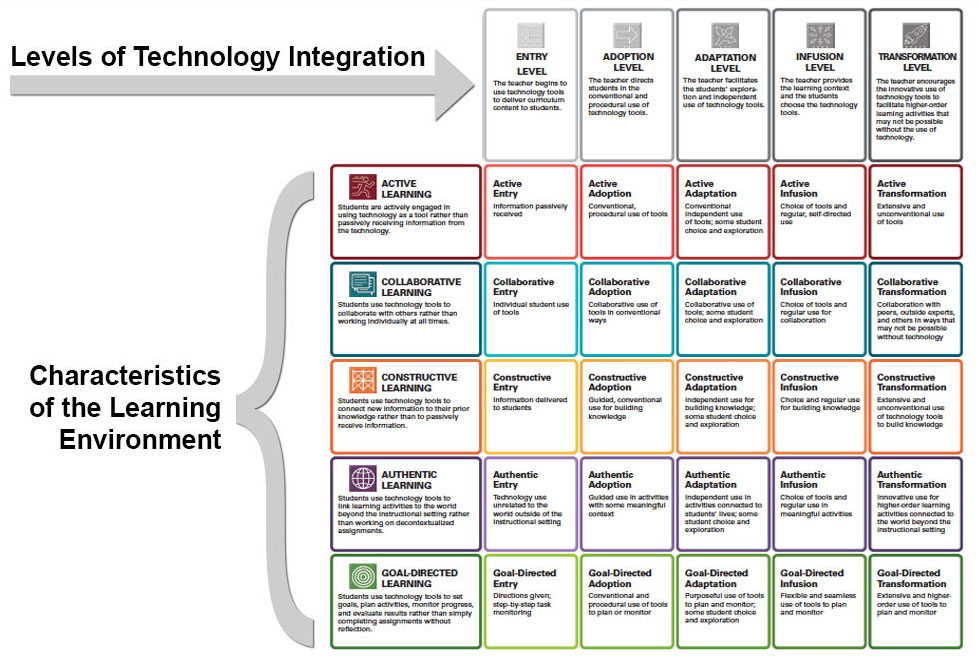
I enjoy the Technology Integration Matrix (TIM), as it doesn’t just discuss tech integration as a whole, but includes its various levels. This includes the meaningful environments in which it can be conducted, acknowledging that integration is non-linear. Students can use it to operate at different levels, which is great for bolstering student agency! Learners need to think critically to use tech, not just rely on it.
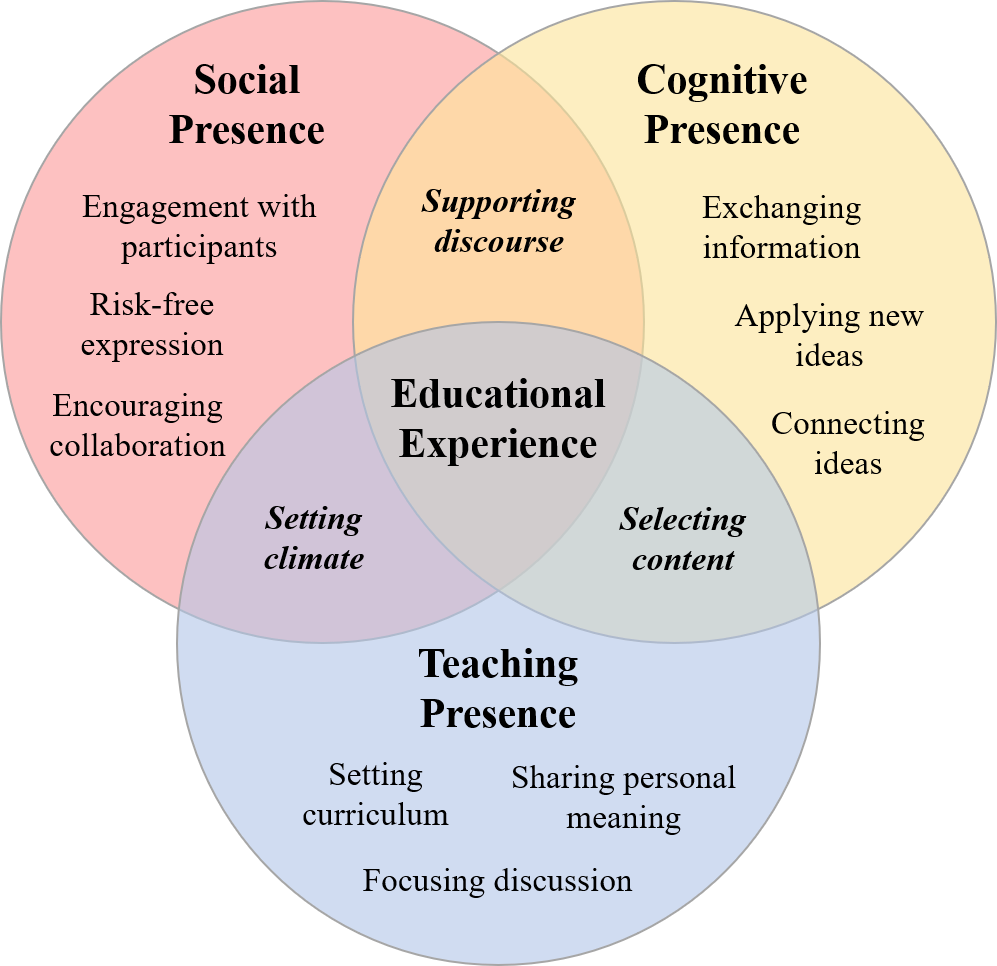
I personally LOVE this model the most: the Community of Inquiry Model (Col). This critical social dimension focuses on cognitive, social, and teaching presence, while emphasizing that learning is very relational. This is especially important in a Universal Design context when designing individualised plans for students and adapting lesson and unit plans. We, as teachers, have to teach and integrate tech based on our classrooms’ needs, while offering support for those who feel weary of it.
Here is a link to the BC guide of how to integrate tech and AI in the classroom:
https://www.google.com/url?sa=t&source=web&rct=j&opi=89978449&url=https://www2.gov.bc.ca/gov/content/education-training/k-12/administration/program-management/ai-in-education&ved=2ahUKEwiP0ufd_ISTAxXsIjQIHWRFNREQFnoECBoQAQ&usg=AOvVaw1XLCJVk8NbHLQZBaNiqxd_
Comments
One response to “EdTech Integration Models”
Kajsa, I like the notion of SAMR as a transformational guide for the introduction of technology. My concern with the model is that it does not put pedagogy first, which is my mantra. That is why I believe technology selection and implementation should always come last. However, once the pedagogy is clear and the technology is considered, SAMR gives us different ways to think about how to use the tech.